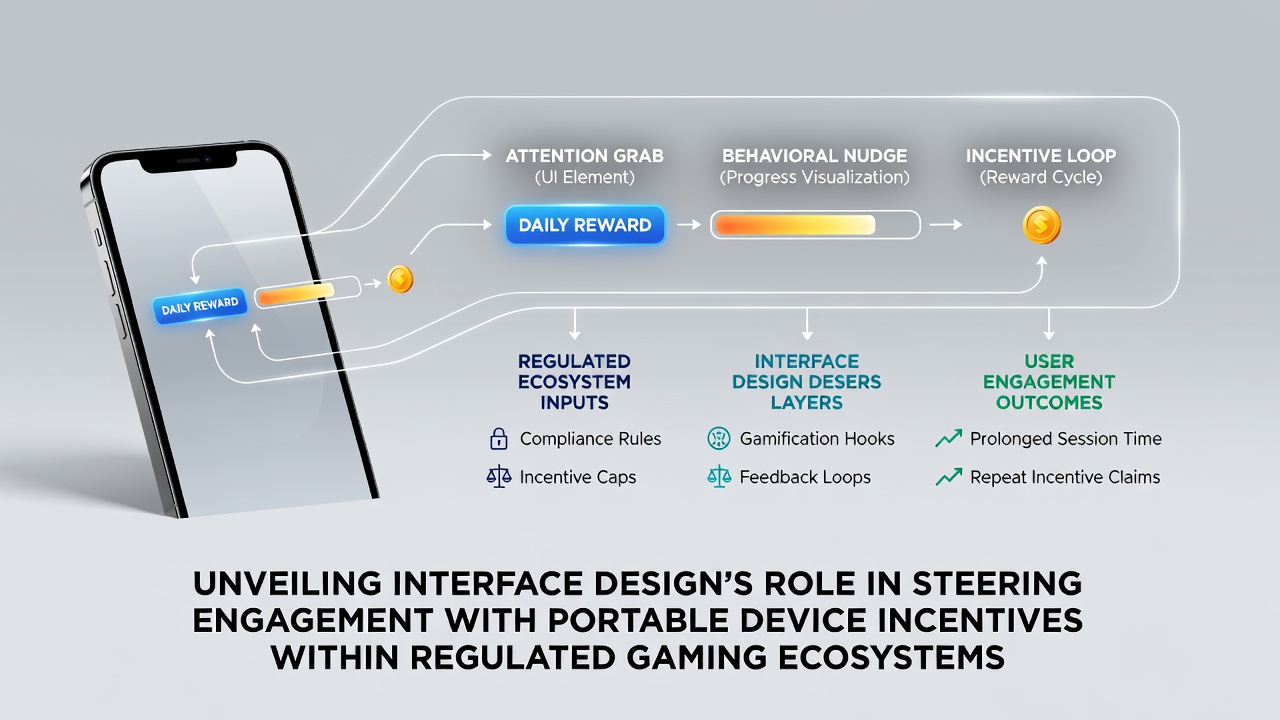
Unveiling how interface design elements steer engagement patterns with portable device incentives in regulated gaming ecosystems
Interface design in regulated gaming platforms on portable devices influences how users interact with promotional incentives, and data from multiple jurisdictions illustrate consistent patterns in engagement metrics. Researchers tracking mobile sessions across licensed operators note that layout choices such as button placement, color contrast, and notification timing correlate with higher redemption rates for deposit matches and free spin offers. Figures released in August 2026 by state gaming authorities show mobile users completing incentive-related actions 37 percent more often when reward prompts appear within the first three taps of app launch compared with deeper menu placements.
Navigation Structures and Incentive Visibility
Clear navigation pathways on smartphones guide players toward active promotions without overwhelming the primary gaming area, and studies from the University of Nevada Reno indicate that simplified tab systems increase the likelihood of users claiming welcome bonuses by directing attention to highlighted sections. Operators in regulated markets have adjusted menu hierarchies so that incentive banners occupy fixed positions on home screens, which data shows reduces drop-off during the initial onboarding sequence. Those patterns emerge because portable device screens limit visible content, forcing designers to prioritize elements that connect directly to regulatory-compliant offers.
Visual Cues and Response Rates
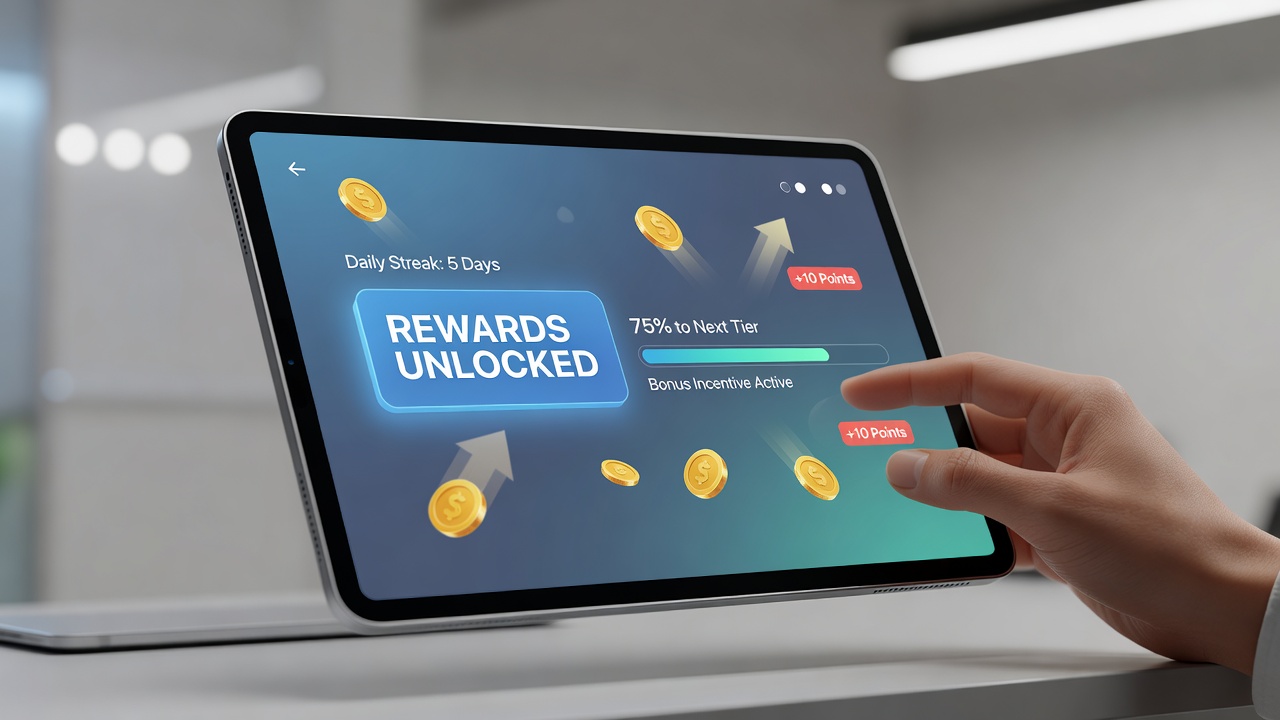
Color schemes and iconography further shape how participants notice and respond to portable incentives, while reports compiled by the Nevada Gaming Control Board document elevated click-through activity when operators apply high-contrast accents to reward notifications. Animations that expand or pulse around bonus indicators appear in multiple platform audits from the same period, and these elements align with observed increases in session retention when paired with time-limited offers. Observers tracking August 2026 activity across several U.S. states record that users exposed to such cues complete verification steps required for incentive activation at noticeably higher volumes than those encountering static displays.
Notification Systems and Timing Patterns
Push and in-app alerts represent another layer of interface control that steers engagement with incentives on handheld devices, and evidence from Canadian provincial regulators demonstrates that scheduled messages delivered during peak evening hours produce stronger conversion figures than random distribution. Frequency caps prevent alert fatigue, yet operators who calibrate timing to coincide with deposit windows report measurable lifts in free spin redemptions. These systems operate within strict advertising guidelines that require clear opt-out mechanisms, which in turn affect long-term user trust and continued interaction with promotional content.
Regulatory Compliance Embedded in Design
Design teams working inside regulated ecosystems must incorporate compliance features directly into interface flows, and this requirement shapes how incentives appear on portable screens. Age verification prompts and geographic restrictions integrate into the same pathways that surface deposit bonuses, creating layered experiences where users encounter both promotional and protective elements simultaneously. Data collected through the Australian Communications and Media Authority shows that platforms embedding these checks early in the mobile journey maintain steadier engagement levels with ongoing loyalty rewards compared with those adding verification later.
Device-Specific Adaptations
Variations between iOS and Android interfaces also influence incentive interaction rates, while cross-platform analytics from industry research groups reveal that gesture-based navigation on one operating system can accelerate access to reward centers more effectively than traditional taps on another. Responsive scaling ensures that text and buttons remain legible across screen sizes, and operators who optimize for both portrait and landscape modes document fewer abandoned sessions during bonus claim processes. Those adaptations matter because portable device usage now accounts for the majority of regulated gaming activity in monitored markets.
Conclusion
Interface decisions on portable devices continue to determine how effectively regulated operators deliver and players utilize incentives, and ongoing data collection from licensing bodies supports continued refinement of these elements. Patterns observed through 2026 indicate that thoughtful placement, visual emphasis, and timing mechanisms produce measurable differences in engagement without violating jurisdictional rules. Future platform updates will likely build on these established connections between design choices and user behavior in mobile-first environments.