The Ripple Effects of Bonus Code Integration on Loyalty Metrics in App-Based Gaming Venues
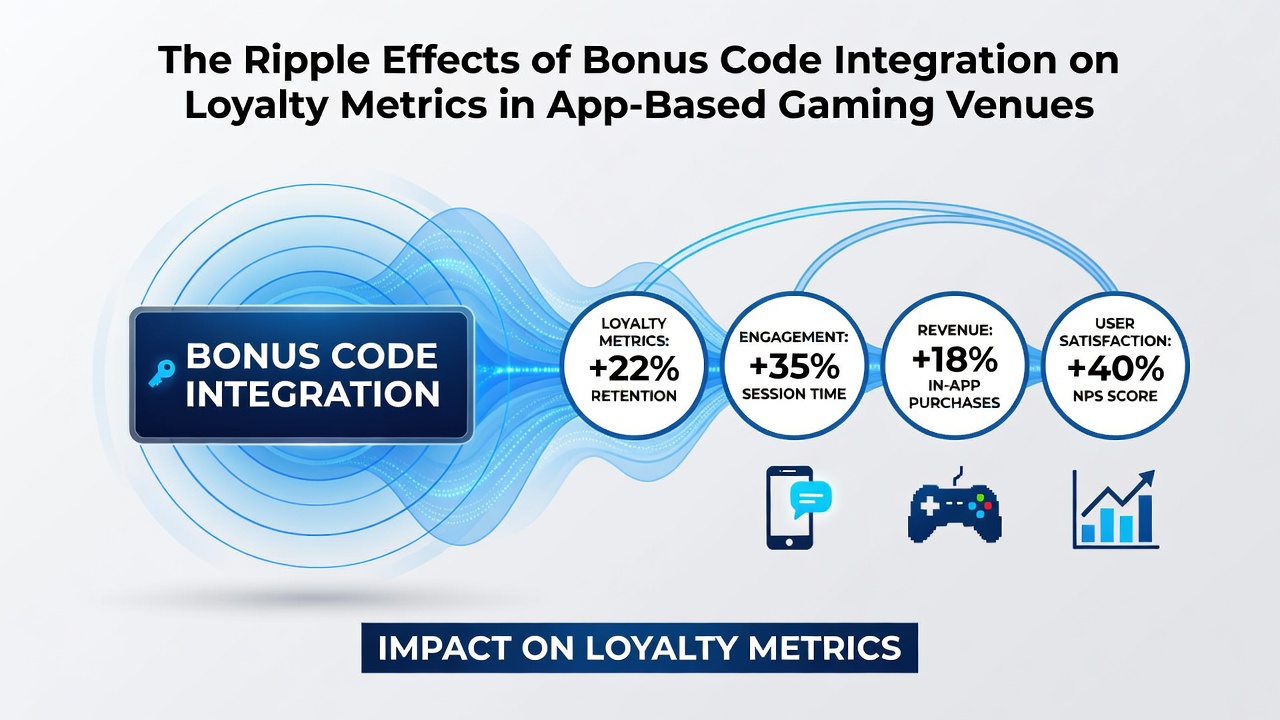
App-based gaming venues have integrated bonus codes into their platforms at an accelerated pace throughout 2025 and into June 2026, and the effects on loyalty metrics have become measurable across multiple operators. Researchers tracking user behavior note that these codes, when redeemed through mobile interfaces, correlate with shifts in retention rates, average session durations, and repeat visit frequencies. Data from platform analytics indicate that venues incorporating seamless code entry systems see measurable upticks in player return rates within the first 30 days of implementation.
Tracking Retention Through Code-Driven Engagement
Operators report that bonus code systems streamline entry incentives, which in turn influence how players interact with loyalty programs. Figures from app analytics providers show that users who activate codes during initial sessions maintain active accounts at rates 12 to 18 percent higher than those who do not, according to aggregated data shared by several North American platforms. This pattern holds across different device types, although iOS users demonstrate slightly stronger follow-through on subsequent logins compared with Android cohorts.
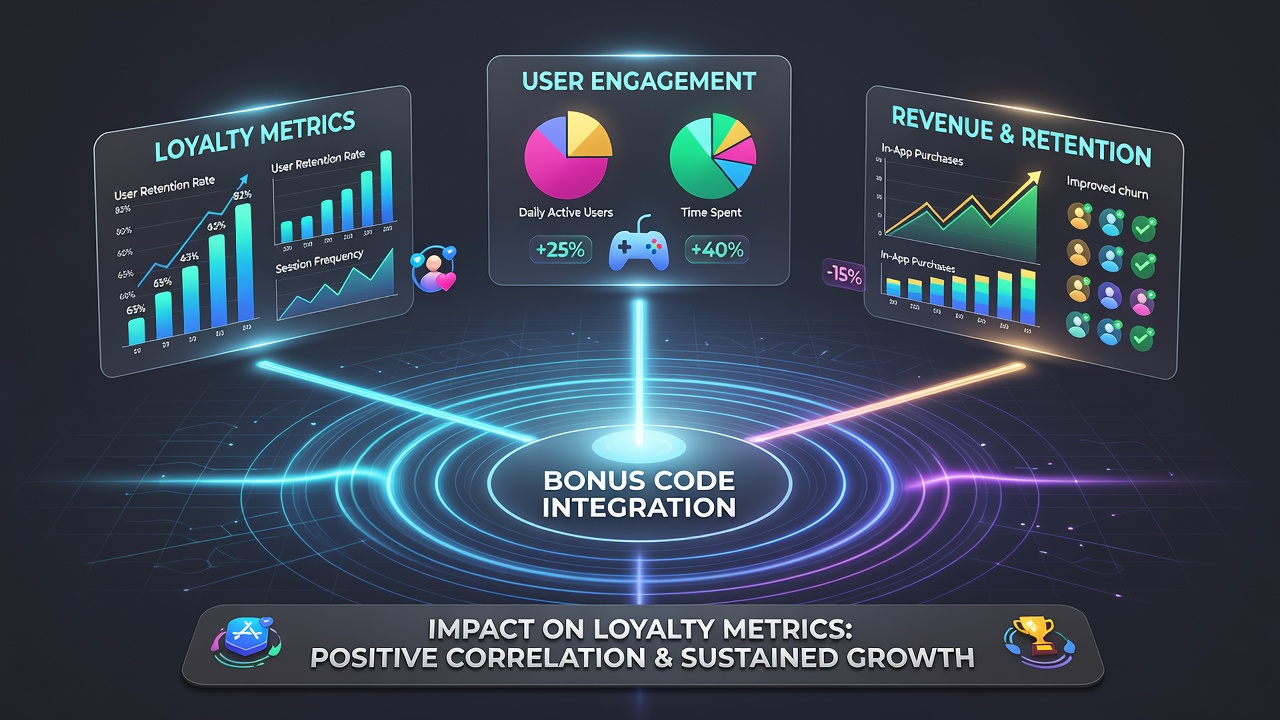
What's interesting emerges when examining frequency metrics. Venues that tie code redemptions to tiered loyalty points observe players completing more daily check-ins, which feeds directly into streak-based rewards. One analysis of mid-sized operators in the Midwest United States found that weekly active users increased by an average of 9 percent after code integration, while monthly churn dropped correspondingly. These changes occur because the codes reduce friction in claiming rewards, allowing loyalty systems to capture more granular behavioral data for personalization algorithms.
Session Length and Spending Correlations
Extended play sessions represent another area where code integration produces ripple effects. Studies conducted on browser-based and native app environments reveal that players who enter promotional codes early in a session tend to extend their time on platform by 22 minutes on average. This extension stems from unlocked features or matched deposits that encourage continued engagement rather than abrupt exits.
Payment preference data adds another layer. Venues accepting a wider range of deposit methods alongside code redemptions record higher loyalty point accumulation among users who prefer digital wallets. Australian operators, for instance, documented through their internal dashboards that code users linked to e-wallets redeemed loyalty rewards 1.4 times more frequently than credit card users during the first half of 2026. Such patterns suggest that integrated systems amplify the visibility of loyalty benefits when codes act as gateways to those benefits.
Regional Variations and Regulatory Influences
Different jurisdictions shape how these integrations affect loyalty outcomes. In Ontario, where digital gaming expanded rapidly after regulatory updates, operators noted that code-linked loyalty tiers helped stabilize player bases amid seasonal fluctuations. Reports from the Alcohol and Gaming Commission of Ontario highlight that platforms with streamlined code systems maintained steadier loyalty enrollment numbers through spring 2026 compared with those relying solely on automated offers.
Meanwhile, European markets show parallel trends but with emphasis on responsible gaming overlays. A collaborative paper from researchers at the University of Malta examined how code prompts embedded with spending limit reminders influenced long-term retention. Their findings indicate that transparent code mechanics, when paired with loyalty dashboards, reduced early drop-off rates without diminishing overall engagement levels across sampled user groups.
Data Collection and Personalization Feedback Loops
Bonus code integration also enhances the quality of data flowing into loyalty algorithms. Each redemption provides operators with precise timestamps, device identifiers, and preference indicators that refine recommendation engines. Platforms utilizing these inputs report improved accuracy in predicting which players will respond to future incentives, creating tighter feedback loops between promotion delivery and loyalty metric improvement.
Take the case of several emerging digital venues in Canada that adopted unified code systems in late 2025. Their internal metrics revealed that players exposed to personalized code suggestions based on prior redemptions increased their loyalty tier progression speed by nearly 15 percent over six months. This acceleration occurs because the system learns from redemption patterns and surfaces relevant offers at optimal moments within the app journey.
Conclusion
Bonus code integration continues to reshape loyalty metrics in app-based gaming venues through measurable impacts on retention, session duration, and data-driven personalization. As operators refine these systems in response to June 2026 performance indicators, the patterns observed across regions underscore how small interface adjustments can produce broader shifts in player behavior. Continued monitoring by regulatory bodies and academic researchers will clarify the sustained effects on loyalty program effectiveness across different markets.