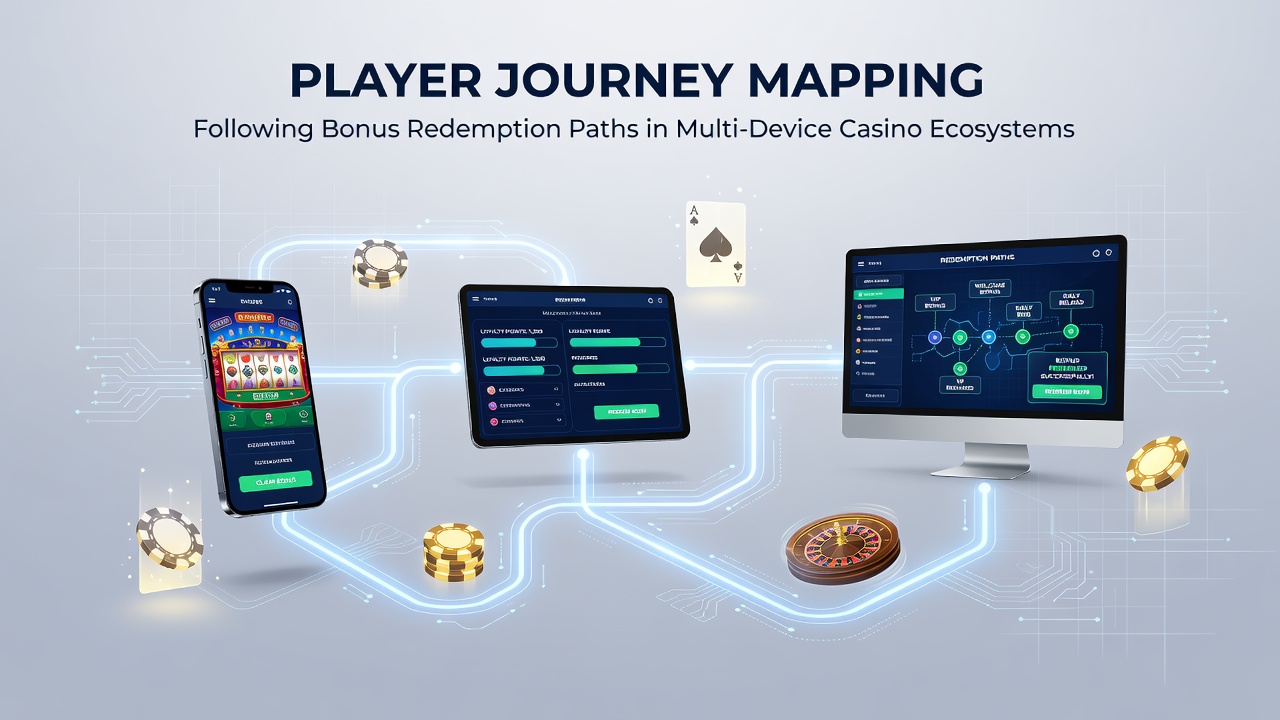
Player Journey Mapping: Following Bonus Redemption Paths in Multi-Device Casino Ecosystems
Player journey mapping tracks how users move through bonus redemption sequences across smartphones, tablets, and desktop platforms in integrated casino systems, and operators rely on account-linked identifiers plus session data to connect these touchpoints. Research from industry analytics firms shows that over 70 percent of bonus activations in 2025 involved at least one device switch before completion, which creates distinct patterns that platforms record through login timestamps and IP correlations.
Core Components of Multi-Device Tracking
Systems log each step from initial bonus claim to final wager clearance by combining persistent player accounts with device fingerprints, while real-time APIs update redemption status across sessions. Observers note that when a user starts a no-deposit offer on a mobile app and continues on a desktop browser, the platform matches the activity through shared credentials rather than separate tracking methods. Data from multiple operators indicates that seamless handoffs reduce drop-off rates during the verification phase, particularly when bonus codes remain active for 48 hours or longer regardless of device.
August 2026 figures from several North American markets revealed a 12 percent rise in cross-device redemptions compared with the prior year, and analysts attribute the increase to wider adoption of unified wallet features. These wallets store bonus balances in one location, allowing players to initiate spins or table games on one device and review progress on another without resetting the offer terms.
Redemption Path Variations Across Devices
Mobile interfaces often streamline the first claim step through push notifications and one-tap code entry, whereas desktop versions provide detailed terms displays and history logs that help users monitor wagering progress. Studies of user behavior patterns demonstrate that tablet sessions frequently serve as intermediate checkpoints where players review remaining requirements before returning to mobile for quicker gameplay. When platforms enforce device-specific limits, such as separate daily caps, the mapping process must flag those restrictions to prevent unintended violations during switches.
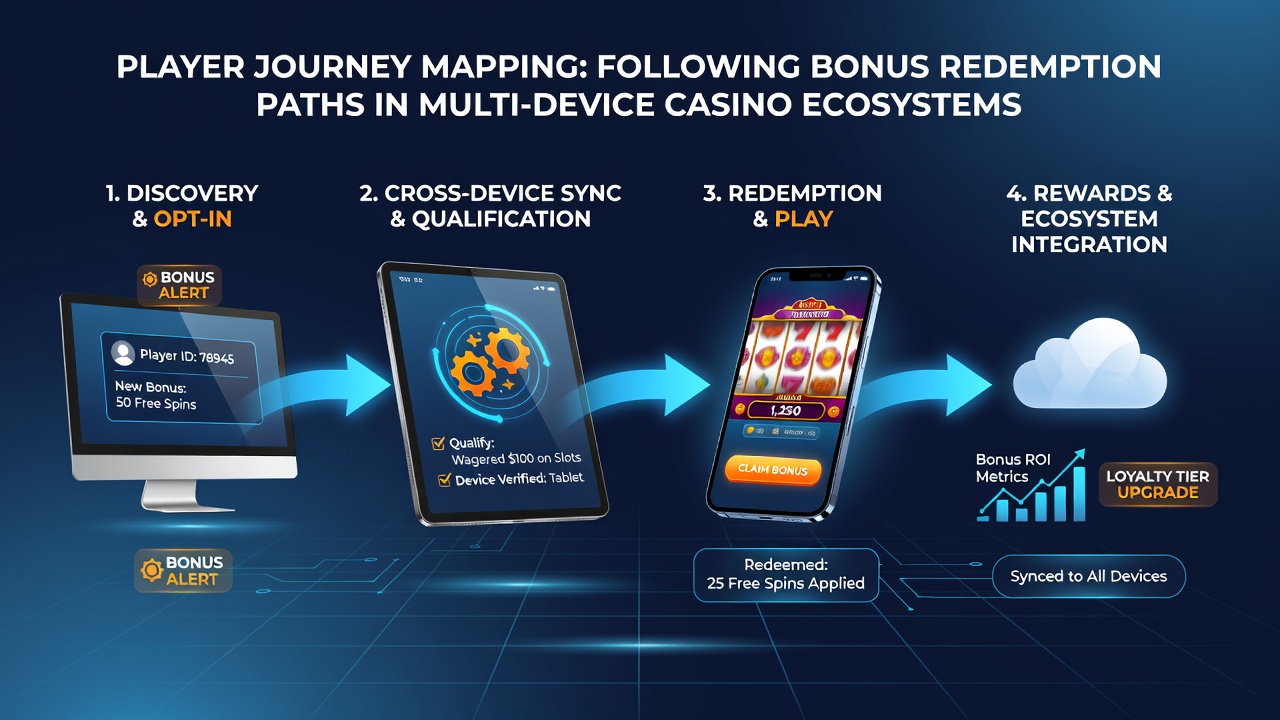
Payment method choices also influence the recorded path, since some e-wallets trigger additional verification layers on desktop that mobile apps bypass through stored biometrics. Regulators in regions including New Jersey have documented how these variations affect compliance reporting, with operators required to maintain audit trails that reconstruct the full sequence of actions. A report from the New Jersey Division of Gaming Enforcement outlines requirements for timestamped logs that cover every device transition during promotional play.
Analytical Tools and Data Integration
Platforms integrate customer relationship management systems with device analytics suites to build visual maps of redemption flows, and these maps highlight bottlenecks where users abandon offers after switching screens. Evidence from aggregated operator datasets shows that bonus offers tied to specific game categories experience higher completion rates when players begin on mobile and finish on desktop, possibly because larger screens aid in reviewing paytables. Mapping software flags instances where IP address changes coincide with device changes, helping distinguish legitimate multi-device use from potential policy breaches.
Canadian provincial regulators have examined similar data sets, and findings released in mid-2026 indicated that integrated tracking lowered dispute volumes related to bonus expirations by approximately 8 percent year over year. Operators achieve this by sending synchronized alerts across all registered devices when remaining wagering thresholds approach critical points.
Challenges in Mapping Accuracy
Network interruptions and browser cache clearances can break session continuity, forcing platforms to rely on secondary identifiers such as account IDs or loyalty numbers to reconnect the journey. Observers note that privacy regulations in several jurisdictions limit the depth of device fingerprinting, which reduces the granularity of path reconstruction. When users clear cookies or use private browsing modes, the recorded sequence may appear fragmented even though the underlying account activity remains continuous.
Industry reports from Australian research centers emphasize the need for fallback protocols that prompt users to confirm device ownership after unusual login patterns, thereby preserving mapping integrity without additional data collection. These protocols have become standard in ecosystems where bonus offers span multiple weeks and accumulate activity across numerous sessions.
Conclusion
Player journey mapping continues to evolve as multi-device casino ecosystems expand, with operators focusing on unified account systems and synchronized notifications to maintain accurate redemption records. Data compiled through 2026 demonstrates measurable improvements in completion tracking when platforms prioritize seamless transitions and clear audit trails. Regulatory frameworks in multiple regions support these practices by requiring detailed logs that cover every device involved in promotional activity, ensuring both compliance and operational clarity.