
Payment Method Innovations Reshaping Initial Offer Structures in Cross Border Digital Venues
Payment systems have evolved rapidly in digital gaming environments that operate across national borders, and these changes directly influence how initial offers such as welcome bonuses and deposit matches get structured. Operators adjust terms because new transaction rails reduce processing times and alter fee structures, which in turn modifies the risk calculations behind promotional campaigns.
Shift Toward Instant and Borderless Transaction Methods
Stablecoin transfers and open-banking protocols now enable same-day settlement in multiple jurisdictions, and this capability lets platforms extend deposit-match percentages that previously required longer verification windows. Data from the European Gaming and Betting Association shows transaction completion rates climbing above 95 percent for approved corridors when operators integrate these rails, compared with legacy card networks that often stall at customs checkpoints.
Cross-border operators respond by shortening bonus validity periods because funds arrive faster, yet they simultaneously raise maximum conversion caps to maintain player engagement across time zones. Those adjustments appear most pronounced in corridors linking European Economic Area markets with Southeast Asian and Latin American platforms.
Regulatory Variations Drive Offer Customization
Different licensing regimes impose distinct rules on how quickly deposited funds can be wagered, and payment innovations interact with those rules in measurable ways. Australian regulators, for instance, require clear disclosure of processing delays, which encourages operators to favor instant-settlement methods that allow larger initial deposit bonuses without violating timing mandates. In contrast, several Canadian provincial frameworks tie bonus release schedules to confirmed receipt of funds, prompting platforms to highlight cryptocurrency options that clear within minutes.
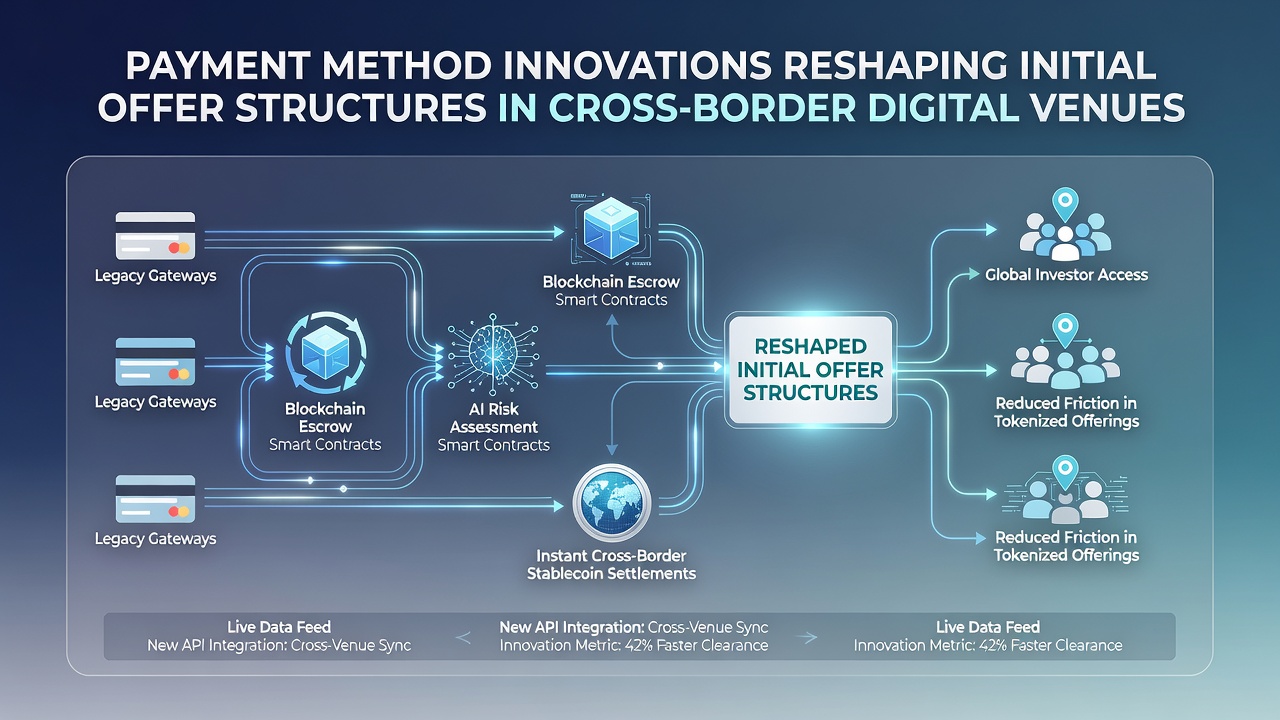
Observers tracking activity through July 2026 note that platforms serving multiple regions now segment bonus codes by payment rail rather than by player geography alone. A single welcome package might list one set of terms for SEPA instant transfers and another for stablecoin deposits, each calibrated to local settlement speeds and compliance costs.
Fee Structures and Bonus Economics
Traditional card processors levy cross-border fees between 2.5 and 3.5 percent, while newer rails such as blockchain-based transfers often operate below 1 percent. Those savings translate into revised bonus calculations because operators can allocate a larger share of revenue toward player incentives without eroding margins. Research published in the International Gambling Studies journal indicates that platforms adopting low-fee rails increased average first-deposit bonus values by 12 to 18 percent between 2024 and 2026 in the corridors they studied.
Yet the same data set reveals tighter playthrough multipliers attached to cryptocurrency bonuses, reflecting volatility concerns that remain absent from regulated bank-transfer promotions. Operators therefore present parallel offer structures: one track for fiat rails with standard multipliers and another for digital assets carrying higher multipliers offset by shorter claim windows.
Player Behavior Patterns Across Regions
Analytics platforms report that users in high-remittance corridors adopt instant payment methods at higher rates when bonus terms explicitly reward those rails. One longitudinal study covering platforms licensed in Malta and the Isle of Man found that 67 percent of cross-border first deposits in the first half of 2026 used open-banking or stablecoin options when those methods unlocked accelerated bonus release. The pattern holds across age groups yet varies by average deposit size, with larger transactions more likely to route through regulated bank channels that preserve traditional bonus structures.
Payment-method segmentation also influences retention curves. Venues that align bonus expiry dates with typical settlement times for each rail record lower early-stage churn, because players experience fewer instances of forfeited funds caused by processing delays.
Operational Adjustments in Multi-Jurisdiction Operations
Technical integration teams now maintain separate bonus engines for each major payment corridor, updating conversion thresholds daily to reflect real-time fee and settlement data. This modular approach allows a single digital venue to serve users in the European Union, Canada, and Australia under unified branding while still complying with local restrictions on promotional timing and fund accessibility. The approach has become standard among larger groups that expanded their cross-border footprint after 2024.
Conclusion
Payment-method innovations continue to recalibrate the economics of initial offers in cross-border digital venues. Faster settlement reduces operational friction and permits more aggressive deposit-match percentages, while regional regulations and fee differentials compel operators to maintain parallel bonus tracks. Figures from industry associations and academic sources confirm that these structural changes have already altered both offer values and player selection patterns through mid-2026, with further refinements expected as additional jurisdictions clarify rules around digital-asset transactions.