Mapping Player Retention Cycles Through Layered Reward Pathways in Portable Gaming Ecosystems
Portable gaming ecosystems operate through interconnected systems where developers track player engagement across multiple sessions and devices, and layered reward pathways form the backbone of these retention mechanisms by delivering incremental incentives that align with user progression stages.
Research from industry analysts shows that retention cycles typically follow a pattern of initial acquisition spikes followed by stabilization periods, and data collected through 2025 into mid-2026 indicates that mobile titles with structured reward layers maintain higher daily active user counts compared to those relying on single-tier incentives.
Defining Retention Cycles in Mobile Environments
Player retention cycles describe the measurable intervals between first interaction and subsequent returns, while portable platforms capture these patterns through telemetry that records session length, frequency, and drop-off points. Studies released by the Entertainment Software Association in early 2026 reveal that games incorporating multi-phase rewards experience a 22 percent longer average cycle before players disengage, and this holds across both casual puzzle applications and more complex simulation titles.
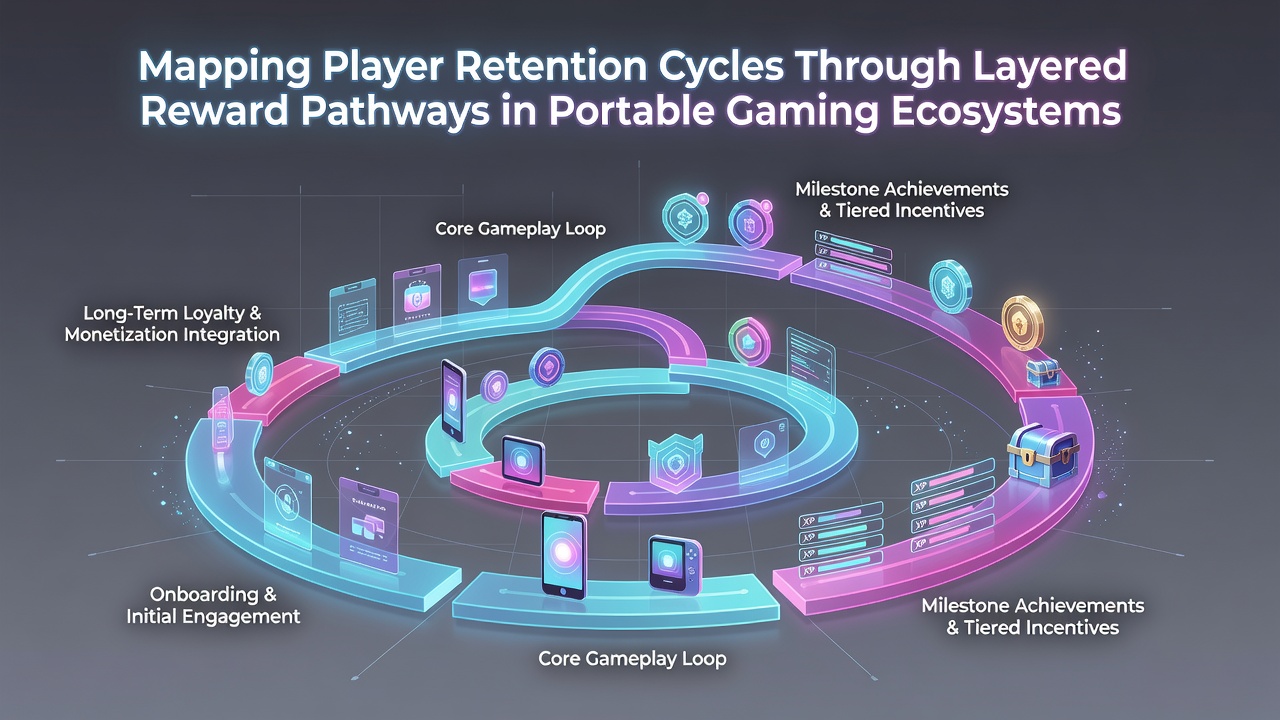
Observers note that these cycles often divide into early, mid, and late stages, each requiring distinct reward intensities to sustain momentum. Early stages emphasize immediate feedback through quick unlocks, whereas later stages shift toward cumulative achievements that build over weeks or months.
Structure of Layered Reward Pathways
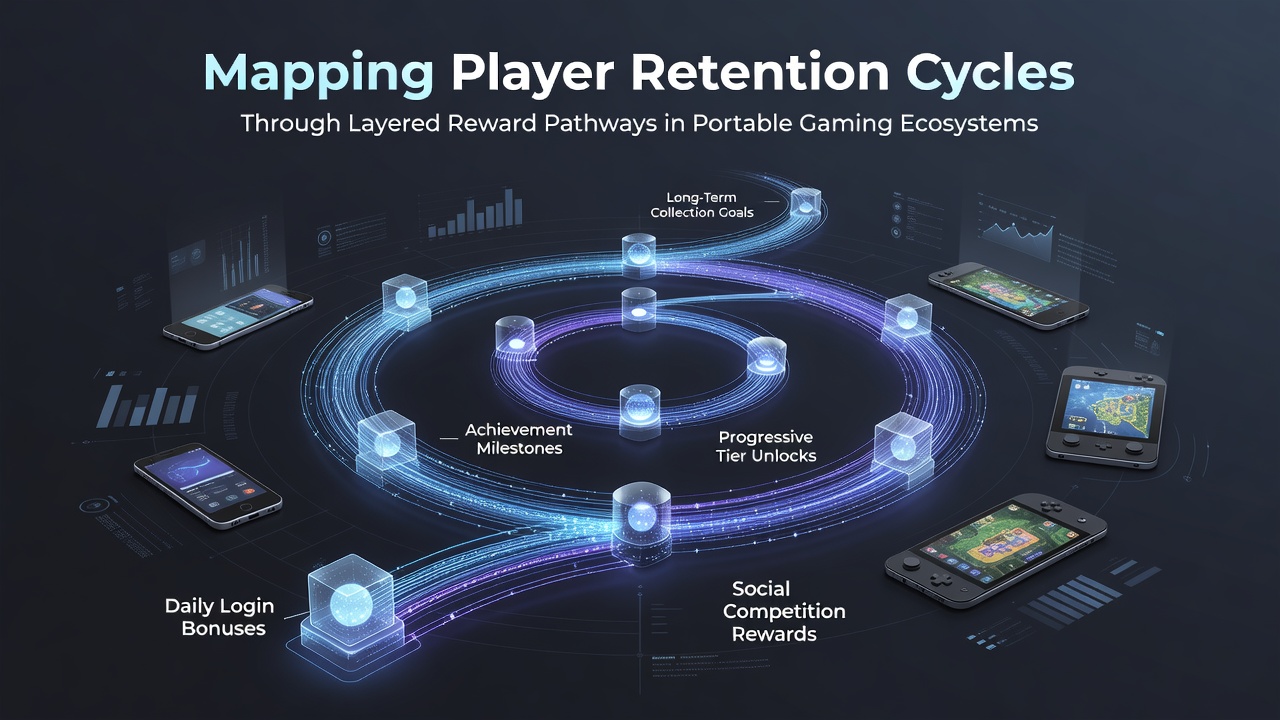
Layered reward pathways stack short-term micro-rewards with medium-term milestones and long-term prestige systems, creating a progression ladder that adapts as engagement deepens. Developers implement daily login bonuses at the base layer, progression-based item grants in the middle, and exclusive social or competitive status symbols at the top, and telemetry from major app stores shows this stacking approach correlates with reduced churn rates during the critical 7-to-30 day window.
One documented case involved a popular strategy game that introduced tiered battle pass elements in 2025, resulting in measurable lifts in return rates according to platform analytics shared at industry conferences. The pathways integrate seamlessly with device notifications and cross-platform synchronization, allowing users to maintain progress whether on smartphone or tablet.
Evidence from 2026 Platform Data
Figures compiled through August 2026 demonstrate that ecosystems supporting layered rewards posted average retention improvements of 15 to 18 percent month-over-month in several major markets, and reports from the Interactive Games and Entertainment Association in Australia highlight similar patterns among regional developers who adopted progressive reward frameworks. These gains appear most pronounced in free-to-play models where monetization ties directly to continued participation rather than one-time purchases.
What's interesting is how regional regulatory environments influence reward pacing, with North American and European titles adjusting notification frequency to comply with consumer protection standards while still preserving cycle length. Data from Canadian provincial gaming oversight bodies further indicates that transparent reward disclosures contribute to sustained trust and longer player lifecycles.
Implementation Patterns Across Ecosystems
Developers frequently test reward density through A/B experiments that isolate variables such as reward timing and visual presentation, and results consistently point to optimal spacing that avoids both overload and scarcity. In practice this means delivering core progression rewards within the first few minutes of a session while reserving deeper layers for repeat visits, a technique that aligns with observed user behavior across iOS and Android ecosystems.
Take the example of simulation titles that layer resource collection with narrative events and community challenges; those who have studied these implementations report that successful layering creates natural return triggers without explicit reminders. Portable hardware constraints also play a role, as lighter reward animations and offline-capable progression tracking help maintain engagement during intermittent connectivity periods common in mobile use.
Conclusion
Mapping these retention cycles through layered reward pathways provides developers with actionable frameworks for sustaining engagement in portable gaming ecosystems, and ongoing data collection through 2026 continues to refine understanding of how different layers interact with user demographics and device types. The integration of telemetry, regulatory considerations, and platform-specific features ensures these systems evolve alongside shifting player expectations while remaining grounded in measurable outcomes.