
Currency Conversion Effects on Initial Reward Structures Across Borderless Digital Entertainment Networks
Borderless digital entertainment networks operate across multiple currencies where initial reward structures depend on real-time exchange rates that shift values before users even claim their first incentives, and researchers tracking these platforms note how fluctuations in major currencies like the euro, yen, and Australian dollar directly alter the effective worth of entry-level rewards distributed through apps and cloud-based systems.
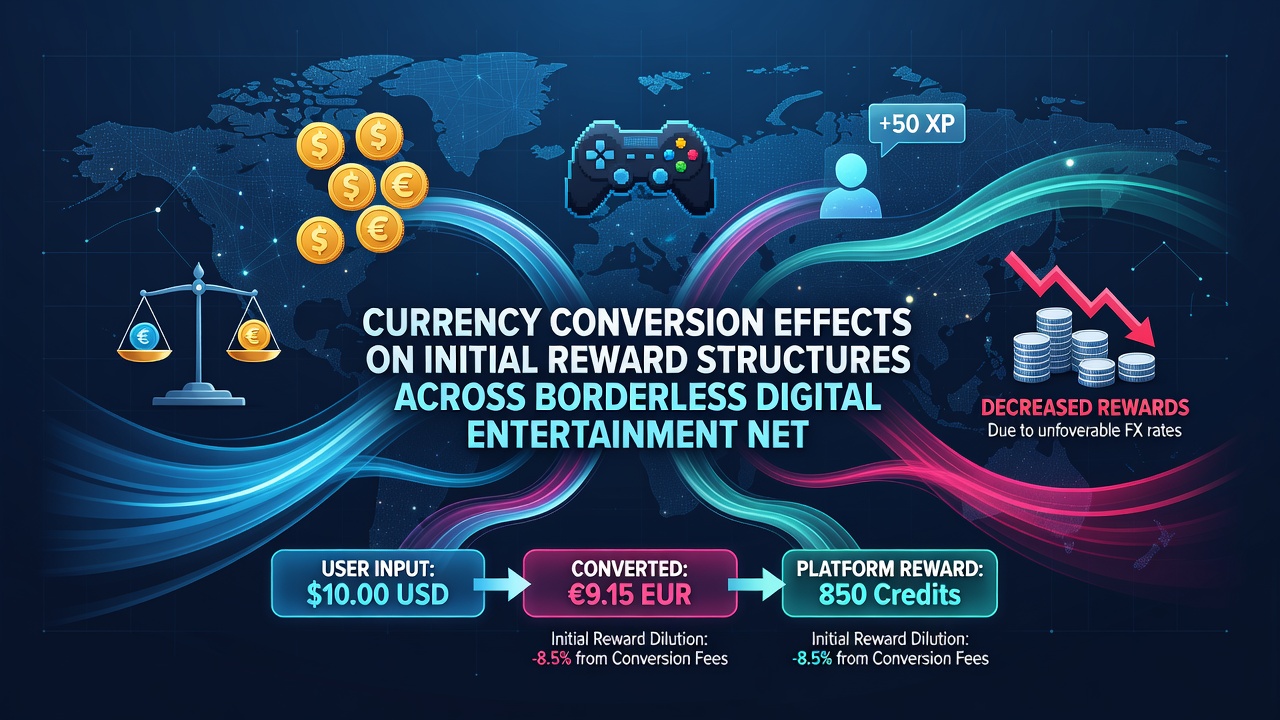
Platforms distribute rewards such as virtual credits, subscription extensions, and access tokens that users receive upon registration, yet when conversion occurs the base amount set in one currency often yields different quantities in local denominations because providers calculate these figures at the moment of transaction rather than at fixed rates established weeks earlier.
Mechanics of Currency Handling in Global Reward Systems
Digital networks rely on automated converters integrated with payment processors that pull live data from forex markets, and data from the European Central Bank shows average daily swings of 0.5 to 1.2 percent in cross-border rates during the first half of 2026 which means a reward advertised as 500 units in USD can translate to noticeably more or less when credited to accounts denominated in Canadian dollars or Singapore dollars.
Initial reward structures typically include onboarding bonuses tied to account creation or first activity, but conversion layers add variables because providers must account for settlement fees and margin buffers that absorb minor rate changes while larger movements force adjustments visible to end users within hours of sign-up.
Regional Variations and July 2026 Data Patterns
Observers monitoring activity across Asia-Pacific networks report that rewards offered in Japanese yen held steadier against the USD through July 2026 compared to those in emerging market currencies where volatility reached 3 percent intraday, and this stability allowed platforms headquartered in Tokyo to maintain consistent reward sizing for users in neighboring countries without frequent recalibrations.
In contrast, networks serving users across the Americas experienced more pronounced effects when the Mexican peso weakened against the USD in early July, resulting in reward pools that appeared larger in local terms yet delivered reduced purchasing power for cross-border content purchases once converted back for platform settlement.
Impact on User Acquisition and Retention Metrics
Studies conducted by academic teams at the University of Melbourne indicate that reward structures lose perceived value when conversion reduces the local currency equivalent by more than 4 percent, prompting some networks to introduce dynamic pricing models that recalibrate offers based on user location and prevailing rates at the time of claim.
Those who've examined transaction logs from major platforms note that initial rewards converted during periods of rapid appreciation in the Australian dollar during mid-2026 produced higher engagement rates among users in Oceania because the credited amounts exceeded expectations set by promotional materials published days earlier.
Technical Infrastructure Supporting Conversions
Borderless networks employ multi-currency ledgers that record rewards in a neutral unit before final disbursement, and this architecture allows operators to hedge against short-term swings using forward contracts that lock rates for batches of new user incentives distributed over 24 to 48 hour windows.
Payment gateways integrated into these systems apply conversion at the point of reward activation rather than display, which creates situations where advertised figures differ from received amounts and users in regions with weaker currencies sometimes receive supplemental top-ups to maintain parity with global benchmarks.
Regulatory Influences on Conversion Practices
Authorities in Canada and the European Union have issued guidance requiring transparent disclosure of conversion methods used for digital rewards, and compliance reports filed in July 2026 revealed that several large networks adjusted their initial reward algorithms to include real-time rate disclaimers visible during the onboarding flow.
These measures address discrepancies that arise when rewards cross borders, yet they also introduce additional steps for users who must confirm acceptance of variable values before proceeding with account setup and first reward collection.
Future Adjustments in Reward Design
Industry reports compiled by the OECD highlight growing adoption of stablecoin-backed reward pools within borderless networks as one approach to insulating initial structures from fiat volatility, although adoption remains limited to platforms already licensed for cryptocurrency handling in multiple jurisdictions.
Networks continue to test localized reward tiers that factor in average exchange rates over rolling 30-day periods rather than spot rates, a method that smooths out daily fluctuations and provides more predictable value for users signing up from high-volatility currency zones.
Conclusion
Currency conversion remains a core variable shaping how initial rewards function across borderless digital entertainment networks, with ongoing adjustments in calculation methods and disclosure practices reflecting the need to balance user expectations against market realities documented throughout 2026. Researchers and platform operators alike track these dynamics closely because even small rate movements compound across millions of new accounts opened each month.