Analyzing Demographic Variations in Response to Launch Incentives Across Browser-Based Gambling Platforms
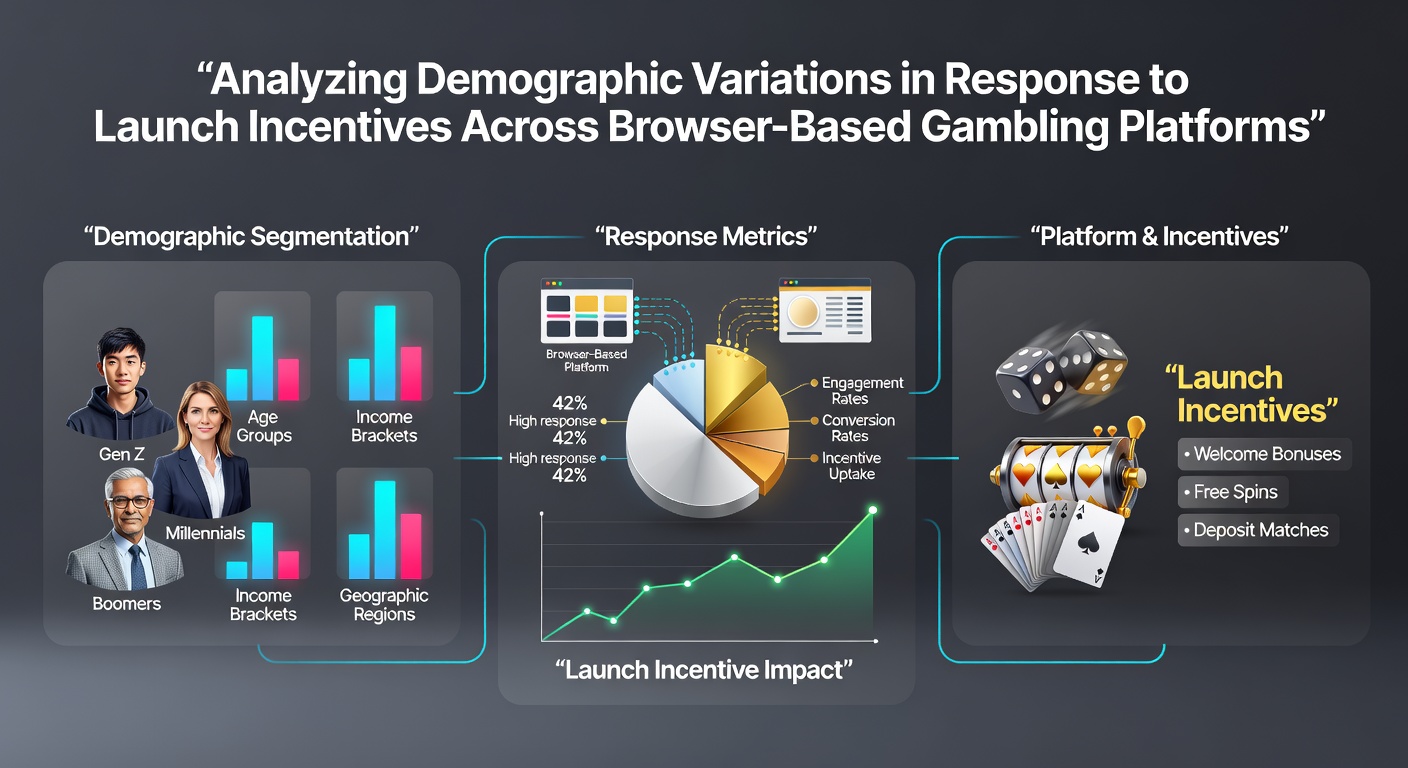
Browser-based gambling platforms continue to refine launch incentives such as welcome bonuses and free spin packages, yet responses vary sharply across demographic lines, with data collected through 2025 and into May 2026 highlighting consistent patterns in user uptake and retention metrics.
Age-Related Patterns in Incentive Engagement
Younger users between 18 and 34 tend to interact more frequently with no-deposit offers that require minimal initial commitment, while those over 45 demonstrate stronger responses to matched deposit promotions that extend playtime across multiple sessions; platform analytics show these age cohorts differ in how quickly they complete verification steps tied to bonus activation. Researchers tracking browser sessions note that users in the 25 to 34 range often combine free spins with other promotions during evening hours, whereas older participants spread activity across weekdays and respond better when incentives include extended expiration windows.
Gender Differences in Bonus Selection
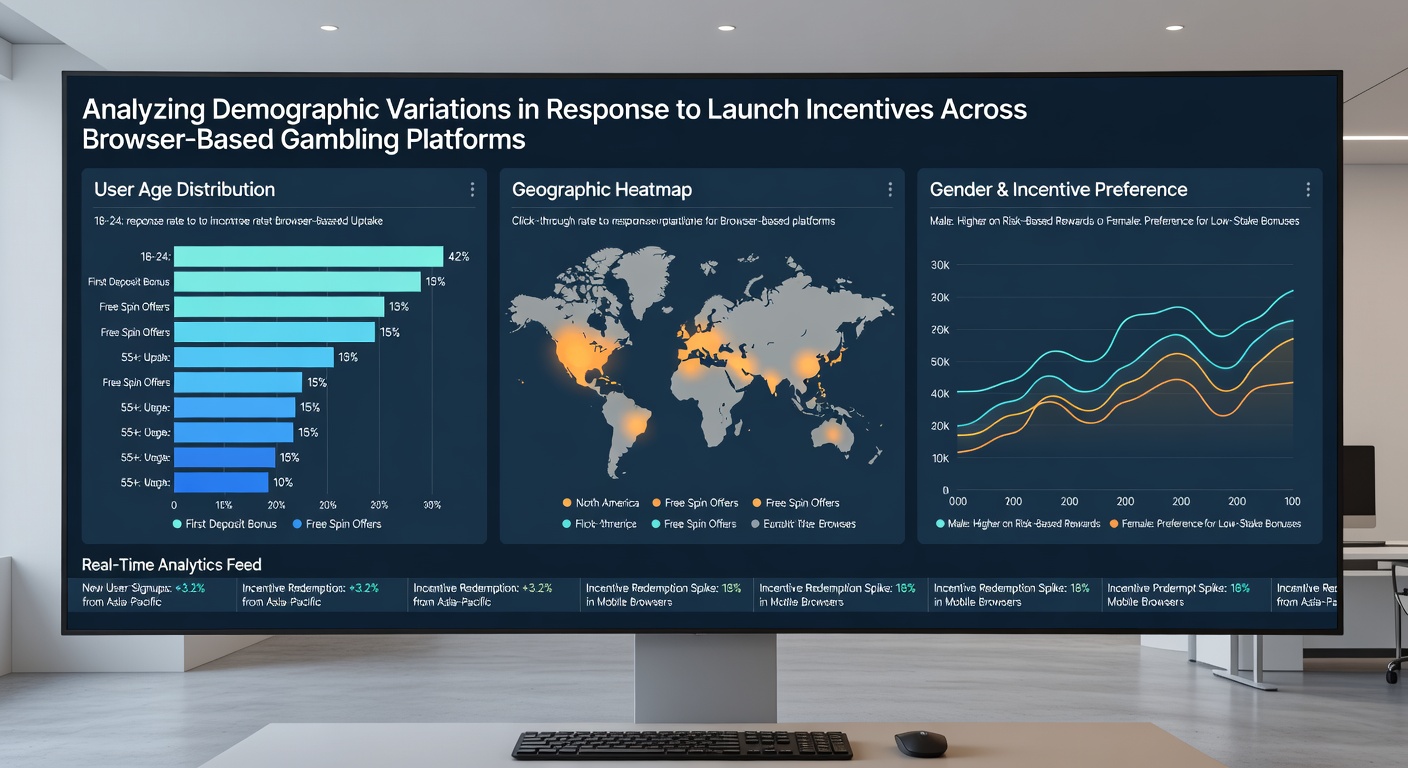
Men and women display distinct preferences when presented with launch packages on desktop browsers, with male users gravitating toward high-volatility free spin bundles and female users showing higher completion rates on deposit-match offers paired with cashback elements. Studies from the Australian Gambling Research Centre reveal these trends hold across multiple markets, where session length data indicates women extend play after receiving loyalty-linked incentives while men shift platforms more readily if initial bonuses underperform.
Income Levels and Geographic Influences
Higher-income participants in urban areas engage with tiered welcome bonuses that scale based on deposit size, whereas lower-income groups in regional locations respond more consistently to fixed-value free credits that reduce perceived financial risk. Data collected across North American and European browser platforms in early 2026 points to variations by country, with Canadian users showing elevated uptake of time-limited deposit matches compared to patterns observed in Australian markets. A report issued by the National Council on Problem Gambling connects these differences to broader spending behaviors, noting that incentive structures influence how quickly new accounts progress from trial play to regular deposits.
Platform Trends Observed Through Mid-2026
Browser operators adjusted incentive delivery during the first half of 2026 after reviewing cohort performance, introducing segmented offers that target specific age and location combinations rather than uniform promotions across all traffic sources. Those who've examined login and redemption logs observe that mobile-to-desktop crossover users from lower-income brackets complete fewer wagering requirements when incentives include progressive multipliers, while higher-income urban cohorts maintain steady activity regardless of multiplier presence.
What's interesting is how cultural factors intersect with these demographics, particularly in markets where browser access remains the primary entry point; users in English-speaking regions outside the UK demonstrate quicker adoption of free spin incentives when promotions reference popular game titles, whereas European cohorts favor deposit matches that align with local payment preferences.
Conclusion
Demographic variations shape how launch incentives perform across browser-based gambling platforms, with age, gender, income, and location each contributing measurable differences in engagement and retention rates through May 2026. Platform operators continue to refine segmentation strategies based on these patterns, drawing from aggregated session data and regional studies to align offers with observed user behaviors. Continued monitoring of these trends provides clearer insight into how incentive design influences different population segments over time.