Algorithmic Influences on Reward Allocation in Contemporary Digital Casino Platforms
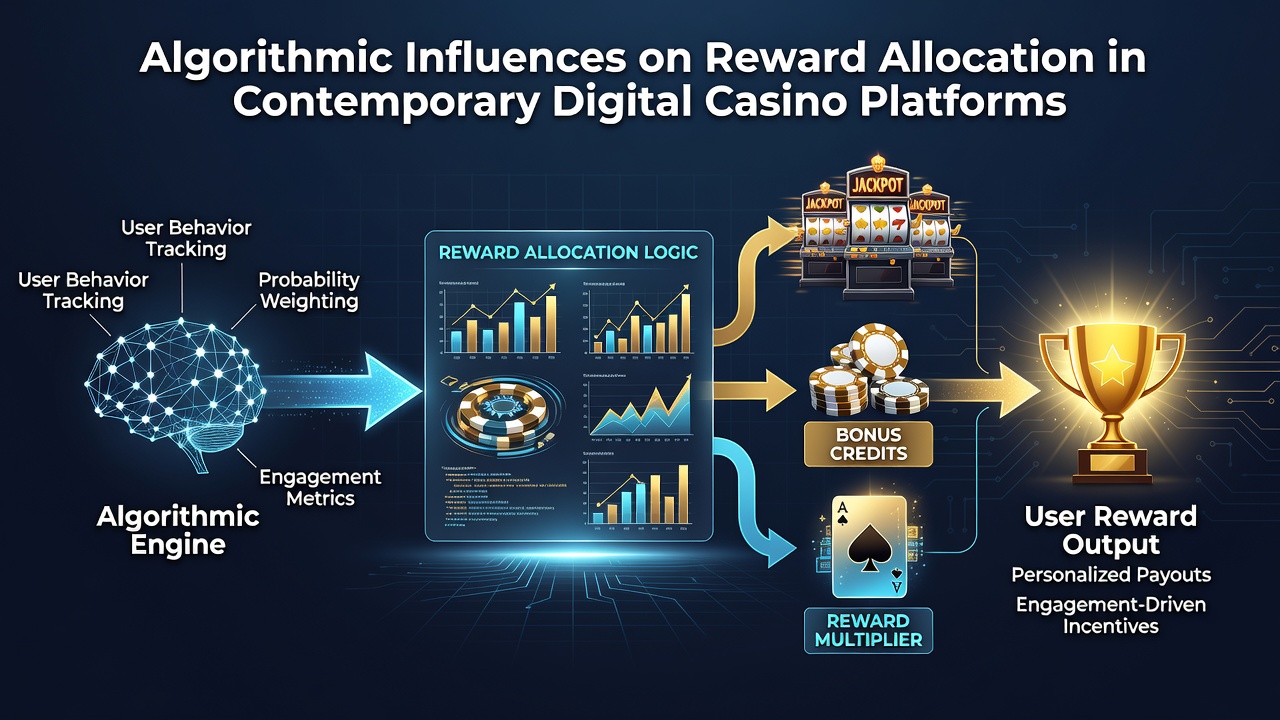
Contemporary digital casino platforms rely on sophisticated algorithms to distribute rewards such as bonuses, free spins, and loyalty points, and these systems process vast amounts of player data in real time to determine eligibility and allocation amounts. Data from multiple operators shows that machine learning models analyze betting patterns, session duration, deposit frequency, and game preferences before assigning personalized offers, while June 2026 industry summaries indicated that over 85 percent of major platforms had integrated predictive analytics into their reward engines.
These algorithms operate through layered decision frameworks where initial filters assess account age and verification status, then secondary models evaluate risk profiles and lifetime value projections, and the process continues with dynamic adjustments based on recent activity spikes or lulls. Observers note that platforms often segment users into clusters ranging from high-volume depositors to occasional visitors, which allows the system to calibrate reward sizes without manual intervention from staff.
Data Inputs Driving Allocation Decisions
Player behavior metrics form the core inputs for these systems, and platforms collect signals including average bet size per spin, preferred game volatility levels, and withdrawal versus deposit ratios. Research indicates that behavioral scoring incorporates time-of-day patterns and device type usage, since mobile sessions frequently receive different incentive structures compared with desktop activity according to aggregated operator logs. External factors such as regional regulatory caps on bonus percentages also feed into the models, ensuring compliance while maximizing engagement within legal boundaries.
One documented approach involves reinforcement learning loops that refine predictions after each campaign cycle, and analysts tracking these updates have recorded measurable shifts in redemption rates when models incorporate fresh data from the preceding thirty days. Such continuous training helps platforms respond to seasonal fluctuations, including increased traffic around major sporting events or holiday periods.
Personalization Mechanisms and Segmentation
Segmentation engines divide audiences into micro-cohorts based on predicted response likelihood, and this granularity enables offers that align closely with individual spending thresholds rather than blanket promotions. Figures from platform audits reveal that users classified as moderate spenders often receive staggered bonus releases tied to specific wagering milestones, whereas top-tier accounts may unlock instant credits upon meeting volume targets. The underlying code prioritizes retention probability scores calculated through logistic regression or neural network variants.

Those who have examined the backend architecture report that A/B testing modules run parallel experiments on reward variants, comparing uptake between groups that differ only in algorithmic parameters such as expiry windows or game restrictions. Results feed back into the main model within hours, accelerating optimization cycles that once required weeks of manual review. This speed creates environments where reward structures evolve faster than traditional marketing calendars can accommodate.
Regulatory and Fairness Considerations
Regulatory bodies across multiple jurisdictions require transparency around algorithmic criteria, and the Nevada Gaming Control Board publishes guidelines that emphasize auditable decision trails for bonus allocations. Similar expectations appear in reports from the Australian Communications and Media Authority, which monitors how automated systems avoid discriminatory outcomes based on protected characteristics. Compliance teams therefore maintain detailed logging of every variable the model weighs, allowing third-party reviewers to verify that reward distribution follows documented rules rather than opaque black-box logic.
Industry organizations such as the European Gaming and Betting Association have compiled best-practice frameworks that encourage operators to publish simplified explanations of their allocation logic for players. These documents stress the importance of avoiding over-personalization that could encourage excessive play, and several platforms now include opt-out toggles for targeted offers as a direct response to these recommendations.
Impact on Player Retention Patterns
Longitudinal data sets collected through 2025 and into mid-2026 demonstrate correlations between algorithmic reward timing and session length increases, particularly when models trigger offers immediately after a player reaches a predefined loss threshold. Retention curves flatten more gradually under these conditions compared with static bonus schedules, according to aggregated telemetry shared at industry conferences. Yet the same systems can inadvertently create feedback loops where certain player types receive diminishing rewards if their predicted value drops below internal thresholds.
Case studies from mid-sized operators illustrate how adjustments to the weighting of recency versus frequency metrics produced double-digit lifts in repeat deposit rates within a single quarter. Teams responsible for model governance review these outcomes monthly, cross-referencing them against responsible gambling indicators to maintain balance between commercial objectives and player protection standards.
Conclusion
Algorithmic reward allocation continues to shape the operational backbone of digital casino platforms through increasingly refined data pipelines and adaptive models. As regulatory scrutiny intensifies and player expectations for fairness grow, the emphasis on auditable, transparent systems is expected to strengthen, while ongoing technical refinements will likely maintain the central role these algorithms play in determining who receives which incentives and when.